Environmental Solutions
Electronical Waste
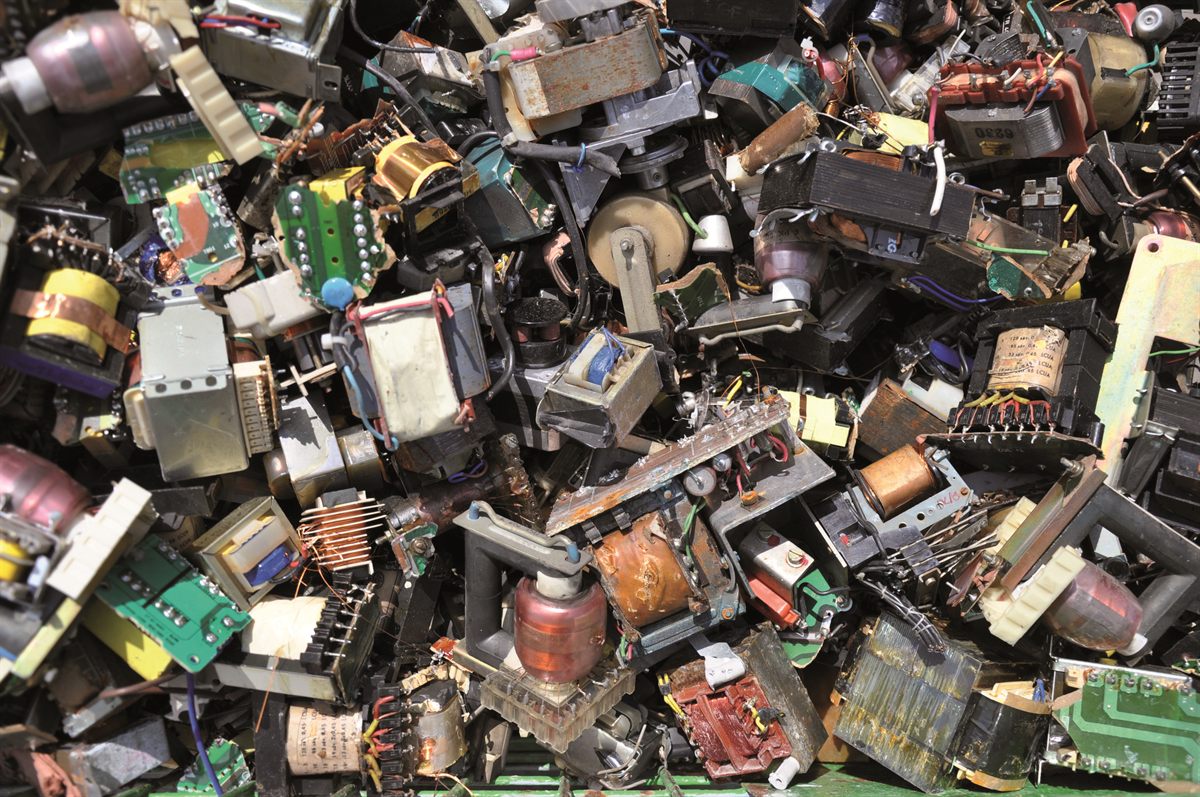
An estimated 50 million tons of e-waste are produced each year, a figure that is still growing. Experts estimate that only 15–20 % of e-waste is recycled; the rest of these electronics go directly into landfills and incinerators.
Bridges Environmental aims to be a part of the solution to this problem. We do not only want to reduce waste, we play a role in preserving scarce and precious raw materials.
Rapid changes in technology, falling prices and planned obsolescence have resulted in a fast-growing surplus of electronic waste around the globe. Bridges Environmental collects and transports e-waste for treatment and recycling in certified facilities.
If these sites are not available, Bridges Environmental plans and operates suitable certified facilities that are optimised for volume and components of e-waste in every specific situation.
Proper is better
A lot of electronical waste is being transported to third-world countries. But the improper dismantling of electronical equipment like TV screens leads to serious health hazards and environmental damage. Responsible companies like Bridges Environmental hold up the principle of properly orchestrated recycling.
How recycling is done
Recycling is done by sorting, dismantling and recovery of valuable materials. This diversion is achieved through reuse and refurbishing. The environmental and social benefits of reuse include diminished demand for new products and virgin raw materials; larger quantities of pure water and electricity available for associated manufacturing; less packaging per unit; availability of technology to wider swaths of society due to greater affordability of products; and diminished use of landfills.
Audiovisual components, televisions, other handheld devices and computer components contain valuable elements and substances suitable for reclamation, including lead, copper and gold.
One of the major challenges is recycling the printed circuit boards from electronic waste. The circuit boards contain such precious metals as gold, silver and platinum, and such base metals as copper, iron and aluminium.